New vs. Pre-Owned Golf Carts: Which Is Right for You?
New vs. Pre-Owned Golf Carts: Which Is Right for You?
Buying a golf cart is a practical decision with lasting consequences, and few choices shape the ownership experience more than deciding whether to buy new or pre-owned. For golf cart enthusiasts and serious buyers, this is not a surface-level price comparison. It is an evaluation of reliability, long-term costs, performance expectations, and how the cart will realistically fit into daily or seasonal use. A clear understanding of what separates new and pre-owned golf carts allows buyers to make a choice rooted in experience rather than marketing language or assumptions.
The Case for Buying a New Golf Cart
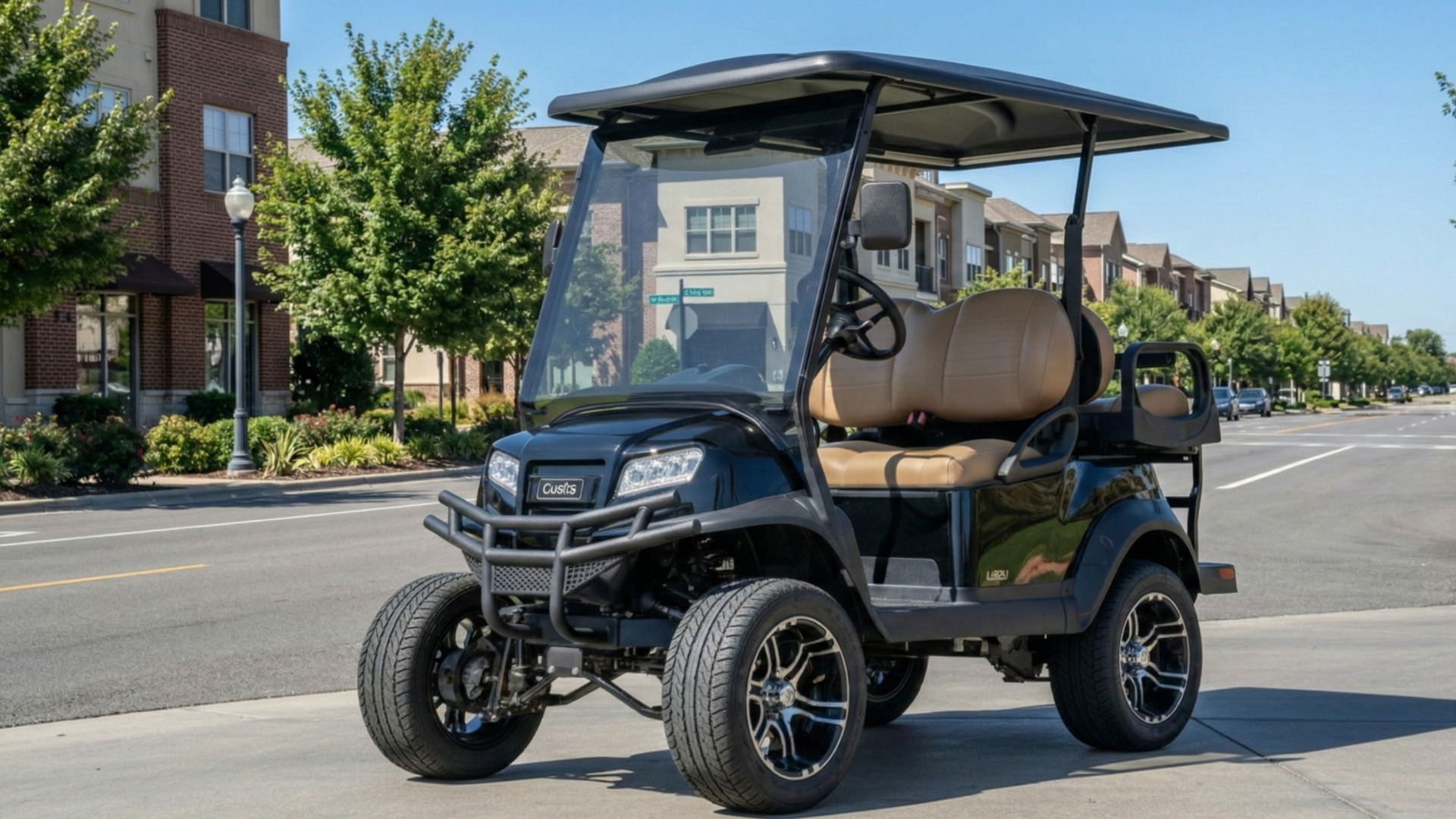
A new golf cart delivers certainty from the moment it leaves the lot. Every component is unused, factory-installed, and built to current specifications. Manufacturers have steadily refined electric and gas platforms over the years, improving drivetrain efficiency, braking response, steering accuracy, and ride comfort. Modern electric carts provide smoother power delivery and more consistent range, while gas models operate with less noise and vibration than earlier generations. For buyers who value predictable performance and up-to-date engineering, a new cart offers a clean starting point without questions about prior use.
Warranty coverage is one of the strongest reasons buyers choose new. Factory warranties typically cover critical systems such as the motor, controller, drivetrain, and frame for a set period. This protection reduces financial risk during the early years of ownership and simplifies maintenance planning. For buyers who depend on their carts for daily transportation, neighborhood mobility, or commercial use, reliability is essential. Warranty support adds a layer of security that cannot be replicated once a cart changes hands.
Customization also plays a central role in the appeal of new carts. Buying new allows owners to select seating arrangements, body colors, wheels, lighting, and performance options at the time of purchase. This approach ensures that the cart is built for its intended purpose rather than modified later. Factory-installed options are typically better integrated into the cart’s electrical and structural systems, which can improve durability and reduce future complications. For buyers planning long-term ownership, starting with the right configuration often leads to greater satisfaction over time.
The primary drawback of buying new is the higher upfront cost. New golf carts require a larger initial investment, and depreciation occurs during the early years of ownership. While golf carts tend to retain value better than many recreational vehicles, buyers must still weigh whether the advantages of warranty coverage, modern features, and customization justify the premium. For some, peace of mind and long-term dependability make the cost worthwhile. For others, it becomes a reason to look more closely at pre-owned options.
The Value and Practicality of Pre-Owned Golf Carts
Pre-owned golf carts appeal to buyers who prioritize value and cost efficiency. A well-maintained used cart can provide years of dependable service at a noticeably lower purchase price. This makes ownership more accessible and allows buyers to allocate funds toward accessories, routine maintenance, or future upgrades. It also opens the door to higher trim levels or feature-rich carts that may be financially out of reach when purchased new.
Depreciation favors the pre-owned buyer. Since the initial drop in value has already occurred, used carts tend to hold their price more steadily. This can be an advantage for buyers who anticipate reselling or trading in their cart later. The lower purchase price also reduces concern over normal cosmetic wear, allowing owners to focus on function rather than preservation.
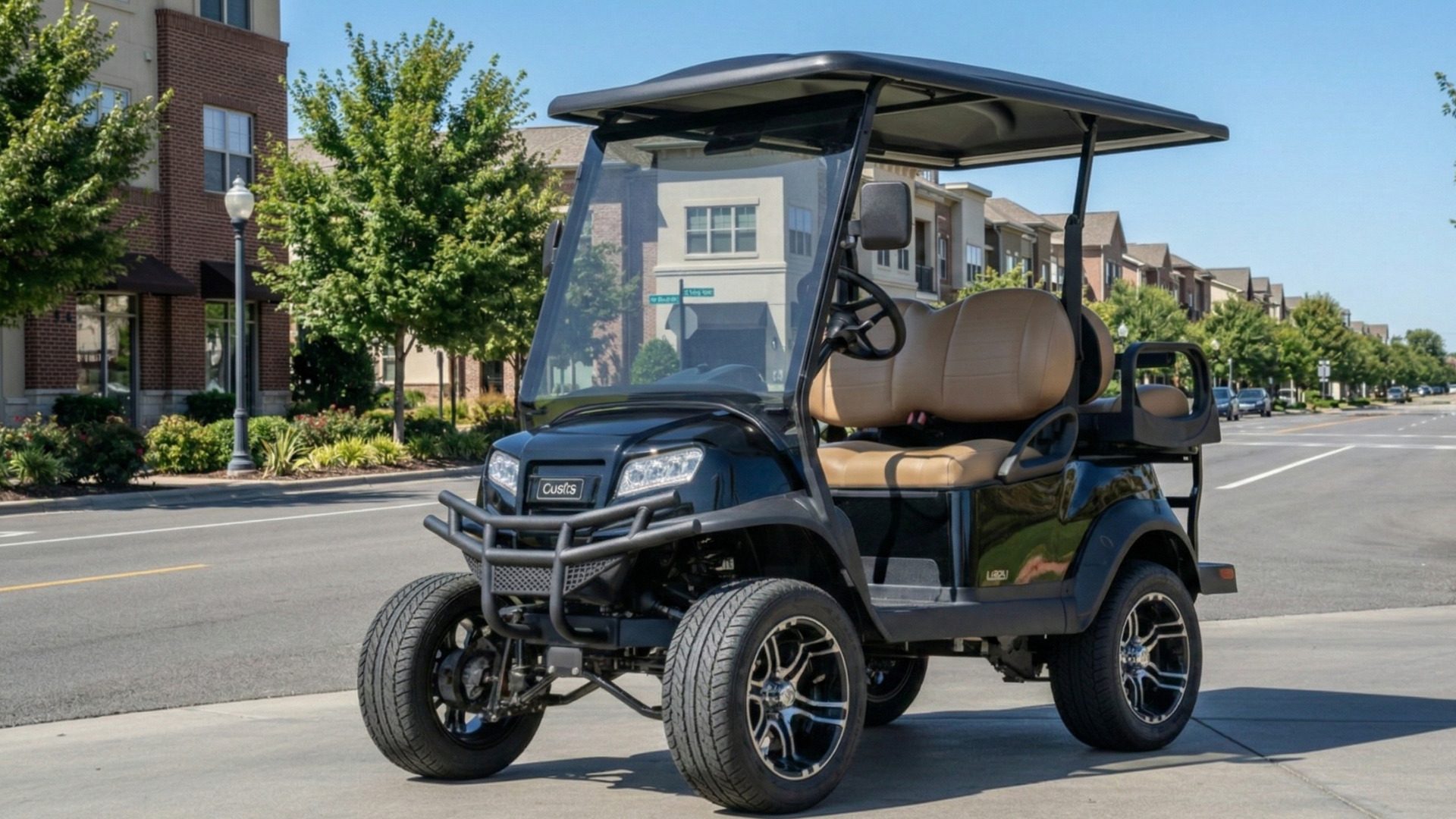
Many pre-owned carts include upgrades installed by previous owners, such as lifted suspensions, custom wheels, lighting packages, or upgraded seating. When these features align with the buyer’s needs, they add immediate value without additional expense. In some cases, these upgrades represent a significant investment that the buyer inherits at a fraction of the original cost.
Pre-owned carts do require closer evaluation. Battery condition is a critical factor for electric models, as battery replacement represents one of the most significant ownership expenses. Buyers should understand battery age, charging habits, and estimated remaining service life. For gas-powered carts, engine condition, fuel system integrity, and maintenance history deserve careful attention. A used cart reflects how it was stored, driven, and maintained, which makes inspection and dealer transparency essential.
Technology differences should also be considered. Older carts may lack the efficiency, braking refinement, or ride quality found in newer designs. Over time, improvements in electrical controls, suspension geometry, and steering systems have enhanced both comfort and handling. While many older carts remain reliable and capable, buyers should consider whether newer advancements better support their intended use, especially when carrying passengers or navigating varied terrain.
Choosing the Right Option Based on How You Use Your Cart
How a golf cart will be used often determines whether new or pre-owned is the better fit. Buyers who rely on their carts for daily transportation, extended driving, or professional applications often benefit from the predictability and support that come with a new model. In these scenarios, reduced downtime and warranty protection provide real value that extends beyond the purchase price.
Seasonal or recreational users may find that a pre-owned cart meets their needs without unnecessary expense. For occasional use, the lower upfront cost and slower depreciation often outweigh the benefits of buying new. These buyers can enjoy dependable performance while keeping ownership costs under control.
Personal ownership philosophy also matters. Some buyers want a cart built to their specifications from day one, with current technology and manufacturer backing. Others focus on practicality and proven performance, choosing a cart that has already demonstrated its reliability. Both approaches are valid when expectations align with how the cart will be used.
Finding the right balance between new and pre-owned golf carts often comes down to how you plan to use it, your budget, and what matters most for long-term ownership. Taking time to compare features, condition, and overall value can make the decision feel much clearer. Coastal Carts RMV gives buyers the opportunity to explore both options side by side with honest guidance and practical insight. Our team focuses on helping you feel comfortable and informed throughout the process. Contact us today to talk through your options!